

Sainsbury's
SmartShop Pay on Handset | Digital Receipt
Lead Experience Designer · Android Handset · Transactional Email · Jan – Mar 2025 for launch, Nov 2025 – Jan 2026 for improvements · Digital receipt adoption increased from 10% → 36%


Designing a digital-first receipt experience for checkout-less retail
Pay on Handset is a checkout-less shopping experience that allows customers to scan products, pay using an in-store handset device, and leave without using a traditional checkout.
As part of the Proof of concept, printed receipts were used to:
- meet legal requirements
- support customer needs (refund, warranty, storage, etc)
- provide reassurance after payment
While effective for early validation, print introduced friction into an experience designed around speed and low effort.
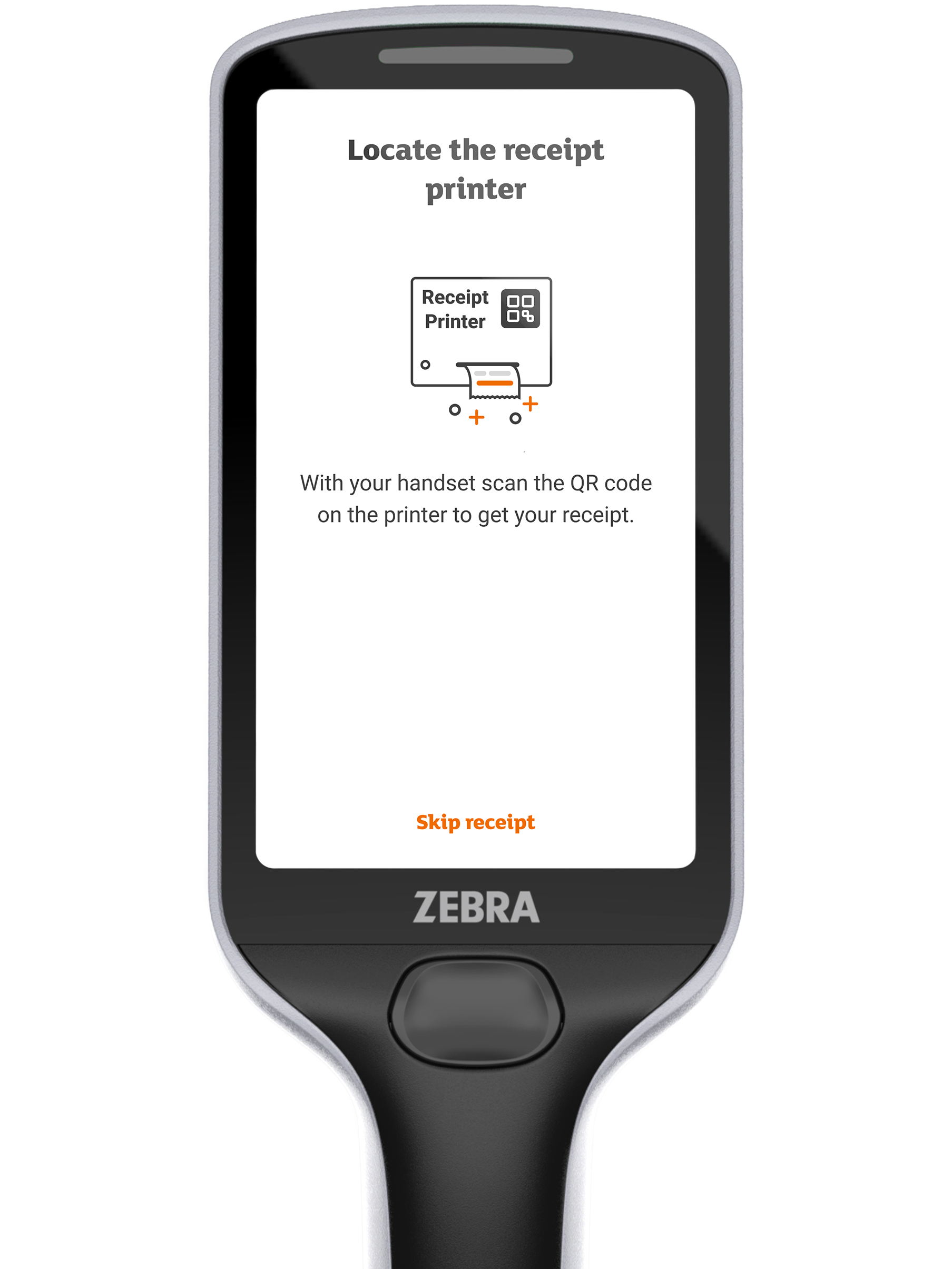
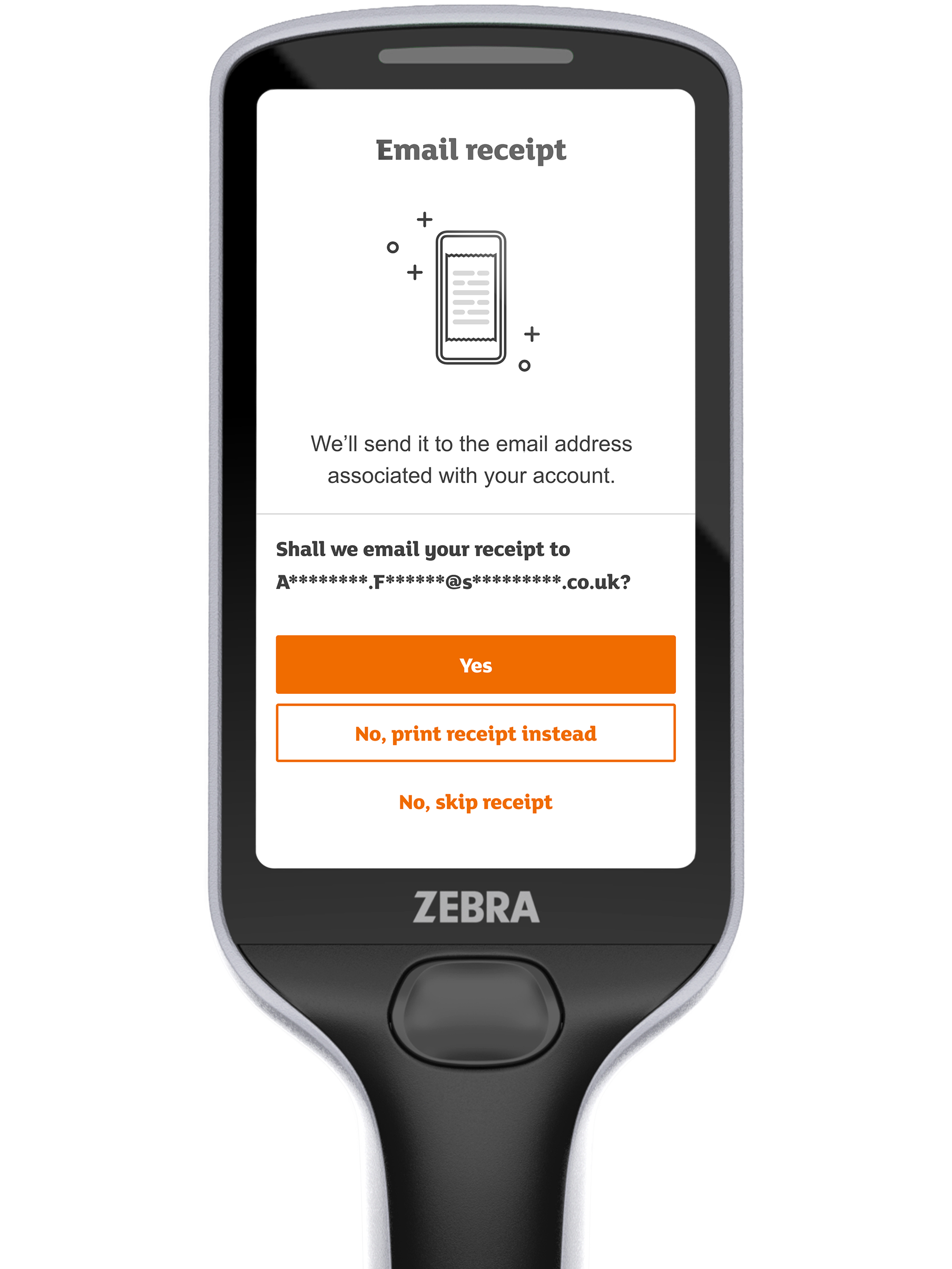
In 2025, I led end-to-end experience, product, and systems design, and in-store validation for the digital receipt feature as part of the SmartShop Pay on Handset proposition.
I focused on designing a digital-first receipt experience that preserved a sense of reassurance while reducing unnecessary reliance on print.
Framing the problem
The challenge wasn’t simply introducing digital receipts—it was deciding where they could create the most value within existing operational constraints.
Opportunities
Improve Pay on Handset
- Better support checkout-less behaviour
- Reduce dependency on printed receipts
- Increase customer confidence when exiting the store
Validate digital receipts in-store
Pay on Handset provides a low-risk in-store test for digital receipts, generating evidence and learning to inform future receipt experiences beyond this product.
I prioritised improving the Pay on Handset experience while using the launch to validate digital receipts at scale.
Constraints
Digital receipts needed to complement—not replace—paper receipts.
- Not all Nectar users had an email address on file
- Some Nectar cards were shared between multiple users
- Legal and compliance requirements still applied
- Printed receipts were required as a technical fallback
- Some customers preferred paper receipts
Choosing the right digital receipt
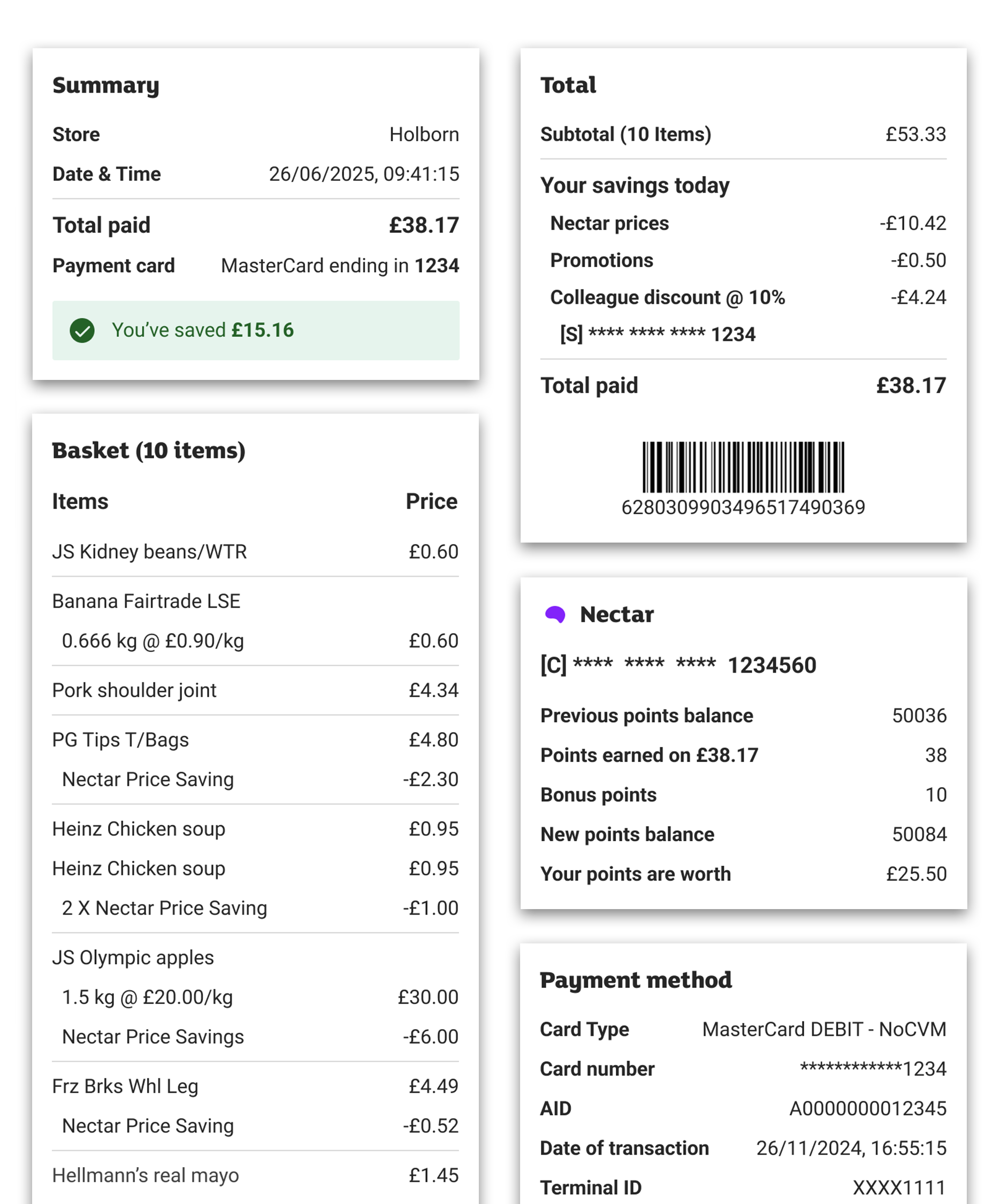
Following user testing, surveys, and behavioural analysis, I recommended an HTML email receipt as the initial solution.
✓ HTML Email Receipt
Customer Value ↑ High
Engineering Effort ↓ Low
Time to Launch ↓ Short
Benefits
- Fast to launch
- Uses existing systems
- Immediate reassurance
- Rapid learning
Trade-offs
- Limited scalability
- Reduced flexibility
- Future evolution required
Optimised for immediate customer value and rapid learning, while keeping future options open.
The hidden friction
10% adoption at launch
Customers believed selecting an email receipt would require entering their email address.
✓ Reality
Digital Nectar card scanned → Email already known → Digital receipt available
✕ Customer perception
Receipt Prompt → “I need to enter my email” → Perceived Effort → Skip Digital Receipt → 10% Adoption
The barrier wasn't the actual effort. The barrier was the expectation of effort.
Showing the stored email turned a decision into a confirmation
Email receipt adoption increased from 10% to 36%
Expose what the system already knows
→ Remove uncertainty
→ Confirm, don’t ask
Before
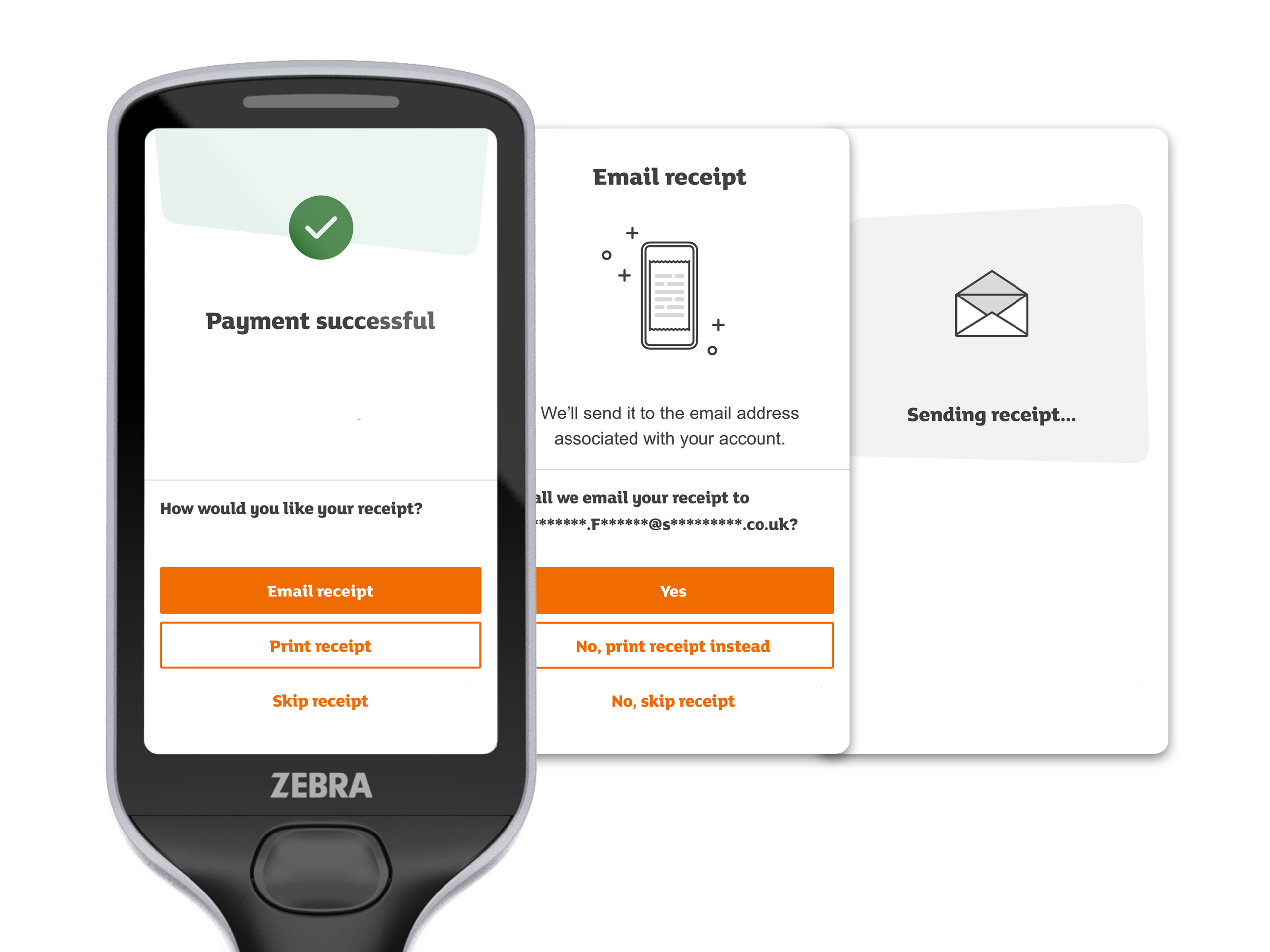
Would you like an email receipt?
Requires a decision → 10% adoption
After
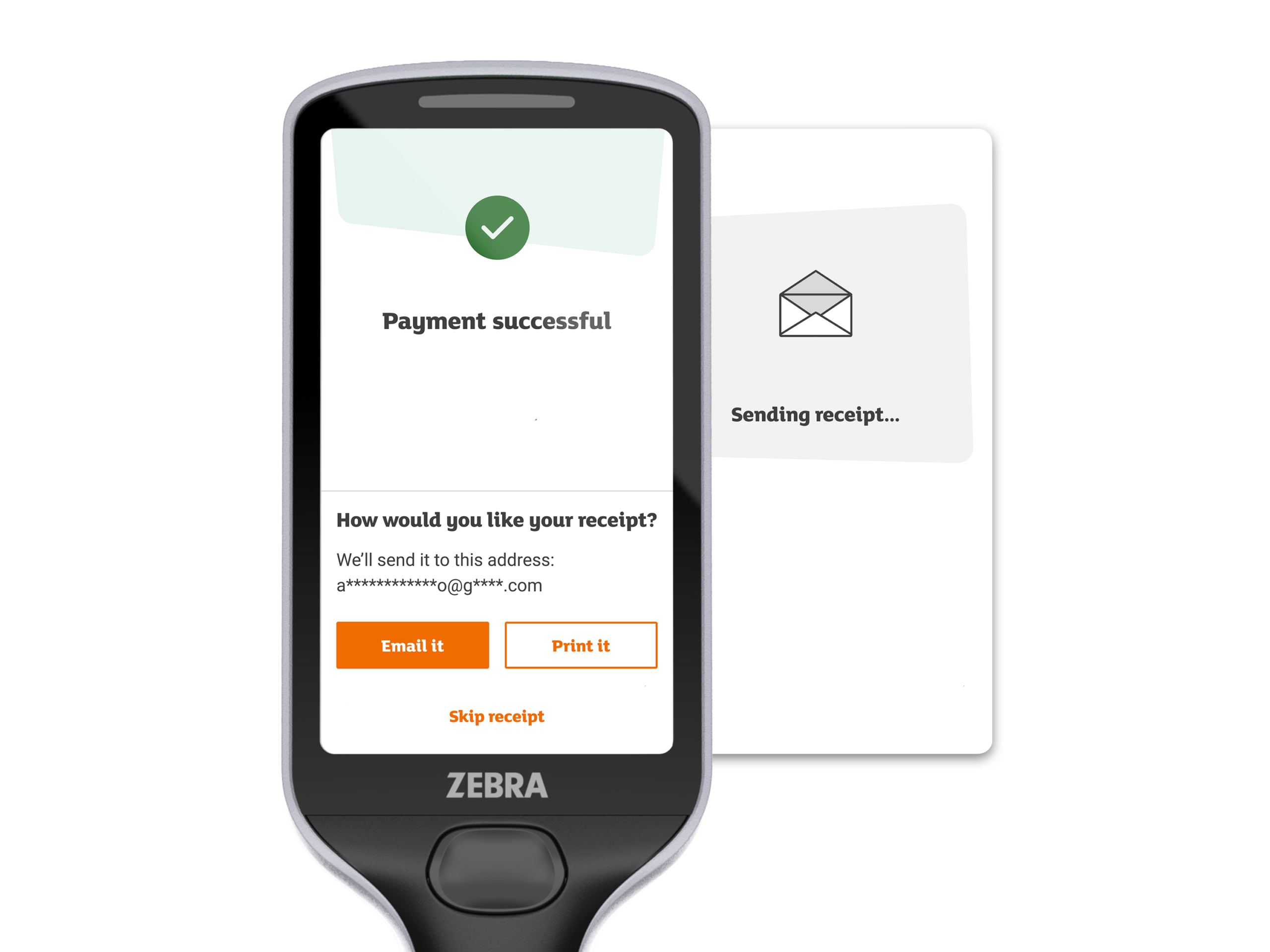
Send receipt to your@email.com?
Requires confirmation → 36% adoption
Business impact
The redesign didn't just increase adoption—it made email the most selected receipt option
36% Email receipt
33% Skip receipt
31% Paper receipt
The redesign encouraged selecting digital receipts without removing choice. Print receipts remained available to support customer preferences, exception handling, and operational resilience.
Understanding the true adoption opportunity
Email receipt adoption increased, but I identified a limitation in how success was being measured.
Paper receipt selection combined two different groups:
- Customers who preferred paper receipts
- Customers who were not eligible for digital receipts
As a result, the reported paper receipt rate overstated the remaining opportunity for digital adoption.
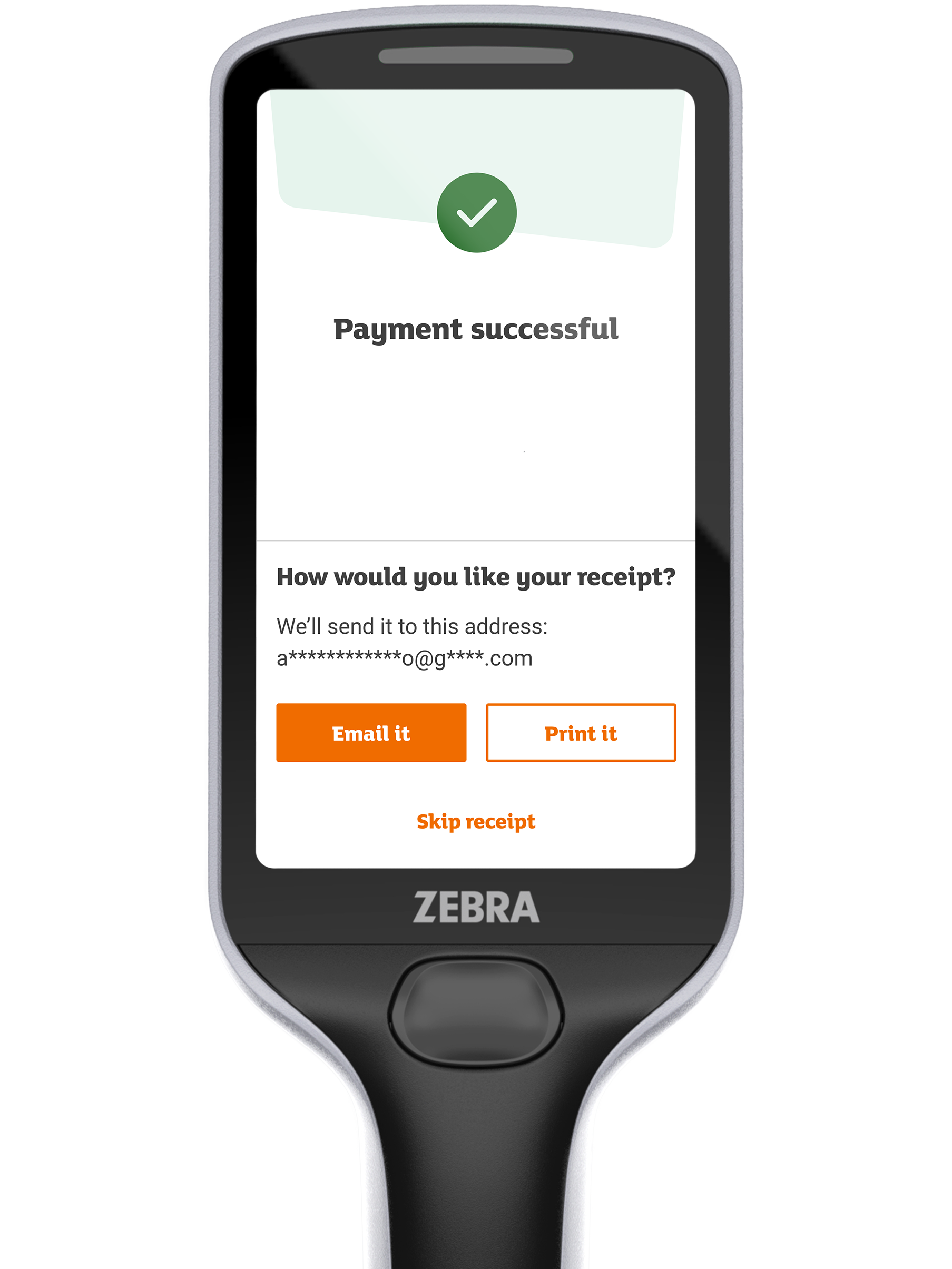
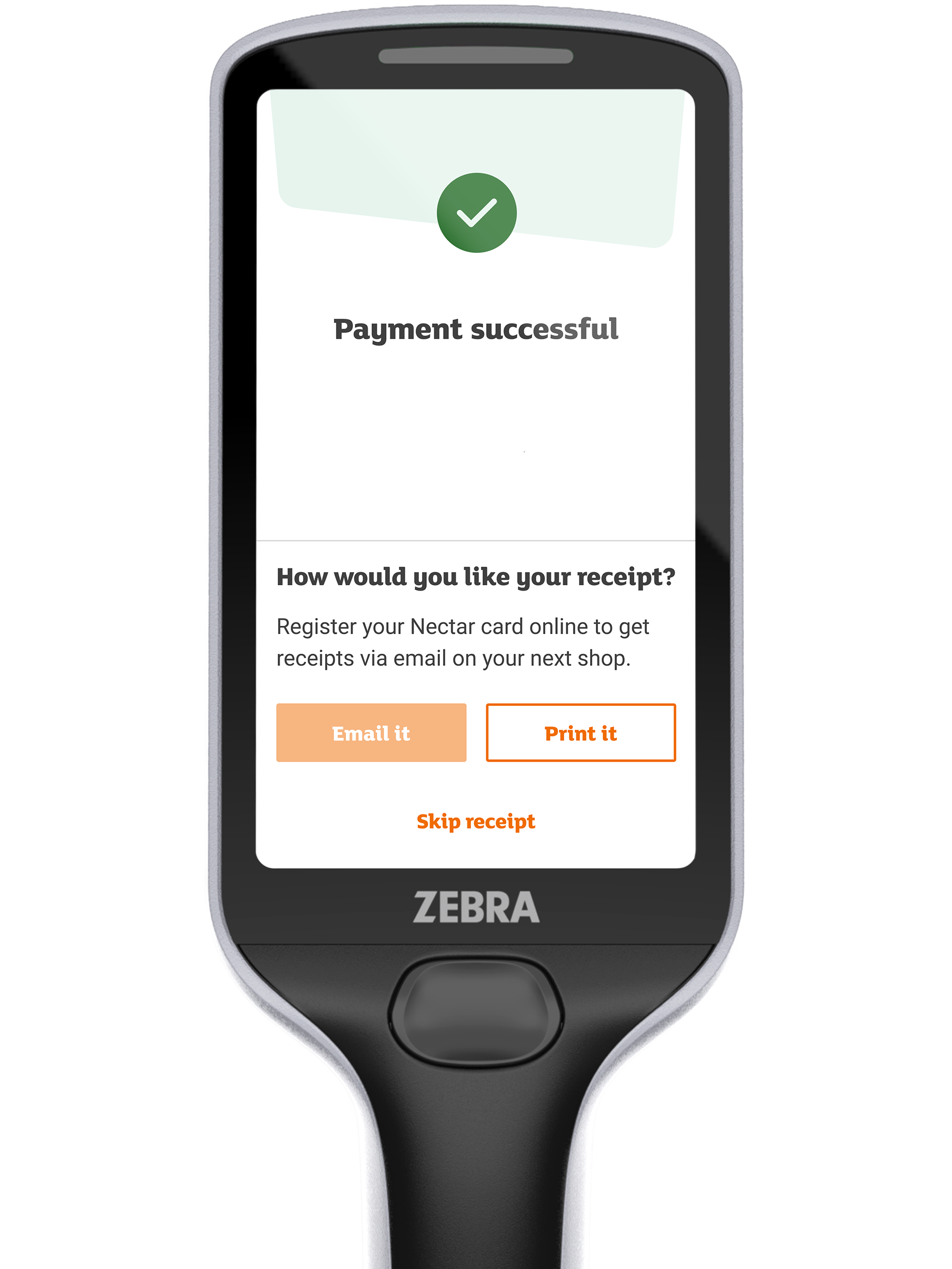
To improve decision-making, I worked with the Product Manager to introduce a new KPI:
% of customers eligible for digital receipts vs. % selecting paper receipts
This would distinguish behavioural preference from structural limitations, providing a clearer view of future optimisation opportunities.
Before
Paper preference + Digital ineligible
After
Eligible for digital vs Selected paper
Although I left the project before the data became available, the KPI established a stronger foundation for future experimentation.
Key learnings
Metrics must be interpreted in context
Behavioural data is only meaningful when measured against customer eligibility and system constraints.
MVP decisions should optimise learning
Printed receipts were appropriate for early validation, but not optimal as the long-term default.
Mental models drive behaviour
Users respond to expected effort, not only actual interaction complexity.
Small decision-point changes can materially shift adoption
Surfacing existing information significantly reduced friction.
Service design requires flexibility
Digital optimisation must coexist with operational realities, fallback options, and customer choice.